The Operator's Notebook / May 3, 2026
The Math Stopped Mathing
Things have changed. The math no longer maths. What independent restaurant operations actually look like, how it got here, and what that means.
Every once in a while, the phone rings. It’s someone I know who has a friend running a restaurant. The friend is in trouble, or thinks they are, or knows something is off but can’t put a finger on what. Could I take a look. I take those calls. The conversations always land in the same place: the owner working too many hours, payroll out of control, and a third thing harder to name. They’ve lost the feel for how people actually want to dine right now. The signal stopped being legible.
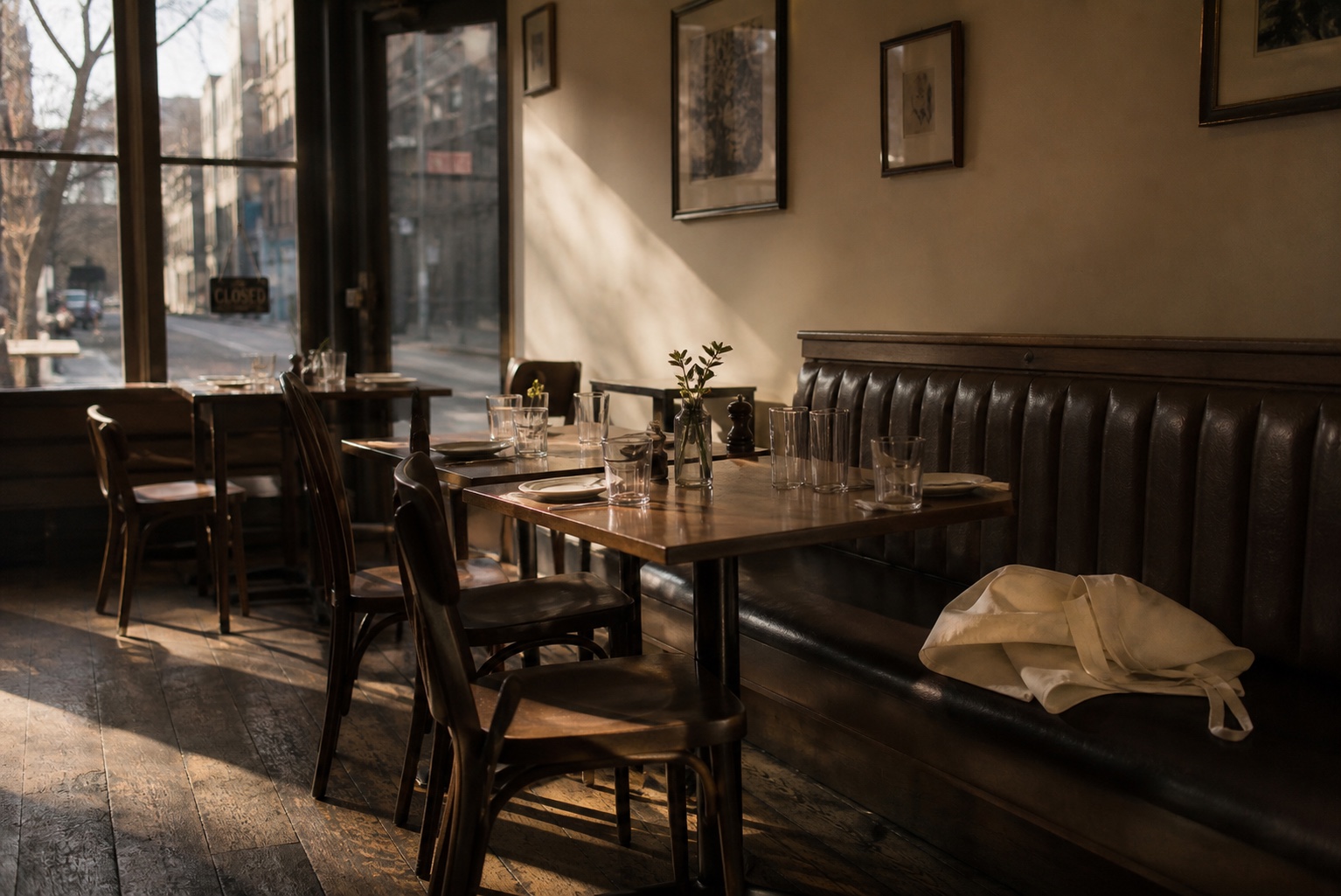
The math no longer maths.
Here’s what I think people miss when they look at independent restaurants in 2026.
The business has changed more in the last five years than in the twenty before it. The lines on the P&L aren’t behaving the way most owners learned to expect. Twenty years ago I was making less than eight dollars an hour as a line cook in this city. Today, to get a competent cook into a kitchen anywhere in New York, you’re starting at twenty-five. What’s underneath that jump matters more than the number itself: most of the increase happened in the last five years, and the bottom of the wage scale rose faster than the top. The whole hierarchy of what you pay your team flattened, and most operators are still scheduling like the old hierarchy is intact.
The four-wall margin that used to be ten cents on every dollar at a healthy independent has been cut by more than half. Occupancy in New York will eat eight to fifteen percent of revenue depending on the block. Food cost as a percentage of sales actually went down in the last decade, but only because operators raised menu prices fast enough to outrun wholesale inflation. That pricing has reached a ceiling. Last summer, three out of four New York City restaurants reported declining sales, and the reason wasn’t the food. The reason was too few customers.
The model is from twenty years ago. It cannot be fixed by working harder.
Customers, and how they’re behaving, is the third thing that’s changed. The owners I talk to know it the way you know the weather. They can’t quite name it. People are dining out more often than they did before the pandemic, but in smaller groups. Solo dining is up. Two-tops are taking over rooms designed around the four-top. Tuesday is now the fastest-growing day of the week for reservations. And the regulars matter more than they used to. Sixty-five cents of every dollar at a healthy independent now comes from the same people coming back. That number was lower ten years ago. The acquisition math has gotten worse, the retention math has gotten more important, and the owners who treat every cover the same are losing.
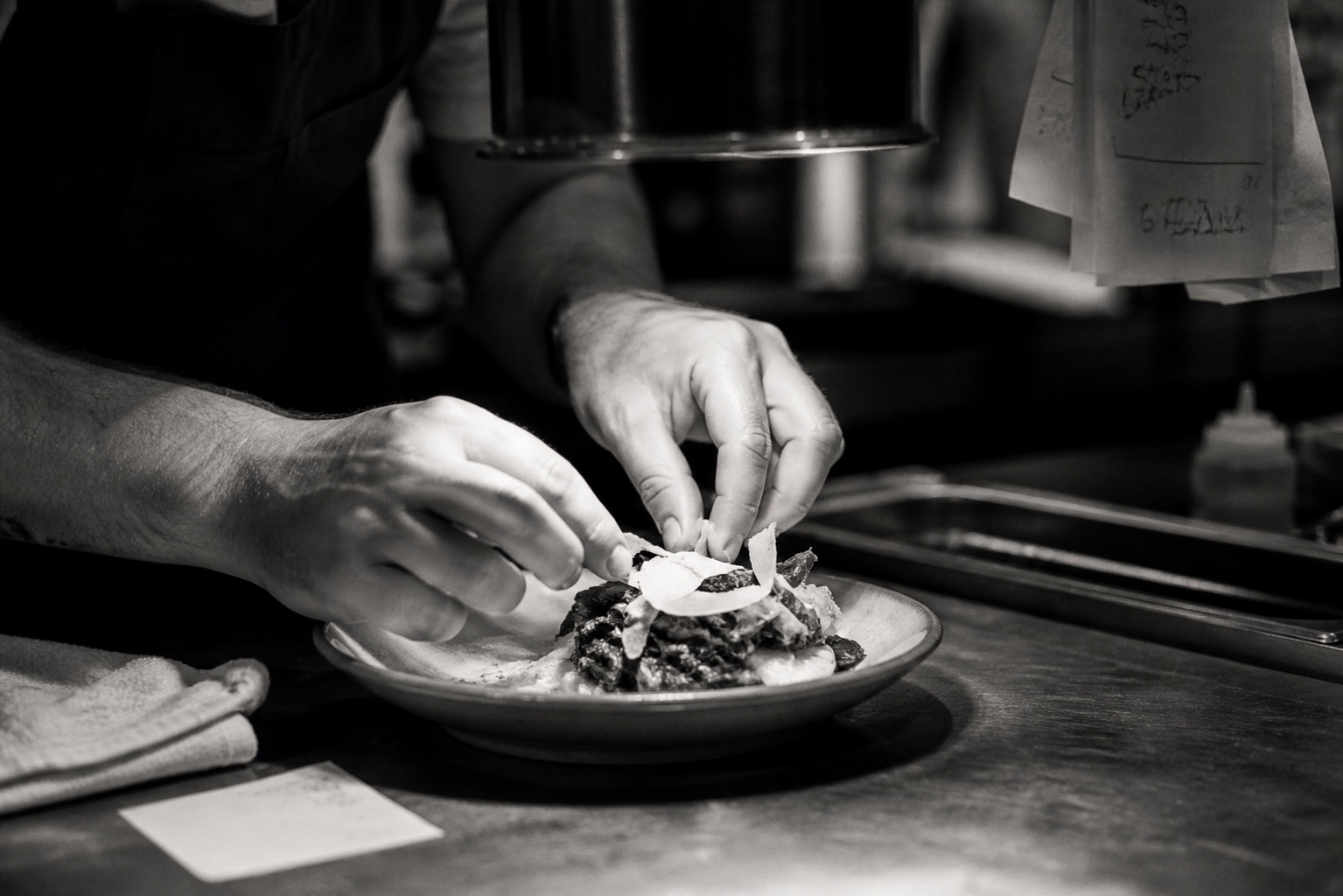
There are smaller signals on top of all this. GLP-1 weight-loss drugs are now being prescribed to millions of Americans, and what those people eat in restaurants has changed. Smaller portions. Less alcohol. More protein, less starch. Some restaurants are noticing it in the ticket data and adjusting. Most are not.
Then there’s the platforms. The share of revenue moving through them has tripled since 2019. Once you stack in promotions, paid visibility, and member surcharges, the effective take on most orders runs thirty to forty percent. Reservation systems are running the same play, with most operators locked into contracts they never benchmarked.
Third-party delivery used to be a marketing channel. Now it's a utility.
The owners feel all of this. They just don’t have the time, or in some cases the language, to name which lever to pull first. The diagnosis underneath is structural.
✦ ✦ ✦
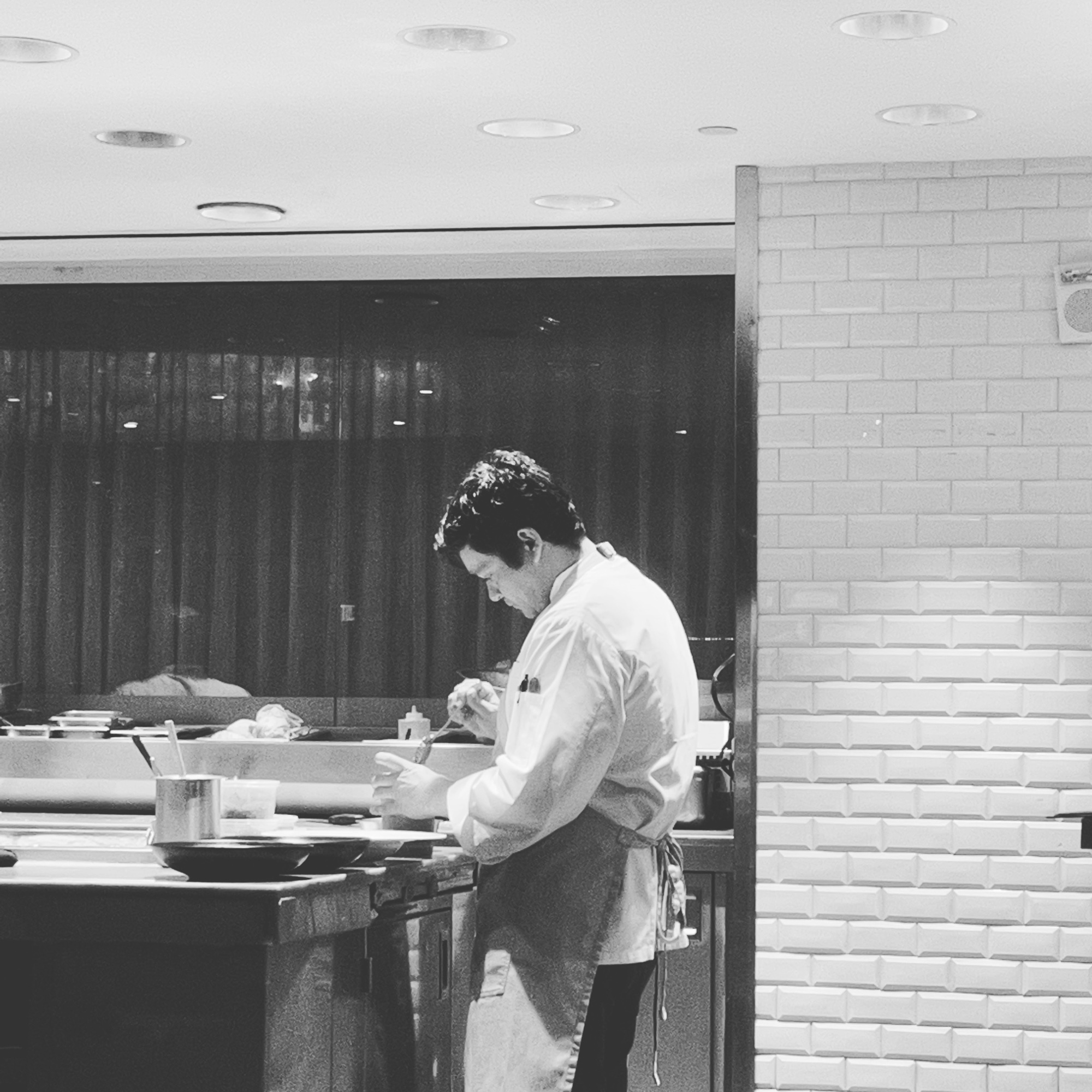
What I’m doing about it.
I’ve spent the last two years running No More, a beverage company with a flagship location in the East Village. The same shifts I just described shape how I run my own place. The tools I needed to keep up didn’t exist as products I could buy, so I built them. The practice that came out of that work lives at rodrigonogueira.net.
You're not a bad operator. You're running a twenty-year-old playbook.
This is the first piece in The Operator’s Notebook. One essay a month. Subscribe below if you want the next one.